Educational Compendium of Botanical Constituents
Explore the science of natural wellness strategies for men over 40 through comprehensive educational materials.
Educational content only. No promises of outcomes.
Explore the Knowledge Base
Explore the science of natural wellness strategies for men over 40 through comprehensive educational materials.
Educational content only. No promises of outcomes.
Explore the Knowledge Base
Understanding the biological and nutritional principles that underpin daily vitality in the context of aging represents a multifaceted area of study. This section provides an educational overview of how the body adapts over time and the role that various natural constituents may play in supporting everyday function.
The fourth decade of life marks a period when metabolic processes begin to shift. Energy production, cellular repair, and hormonal equilibrium all undergo gradual changes. These transformations are natural and vary widely among individuals based on genetics, lifestyle, and environmental factors.
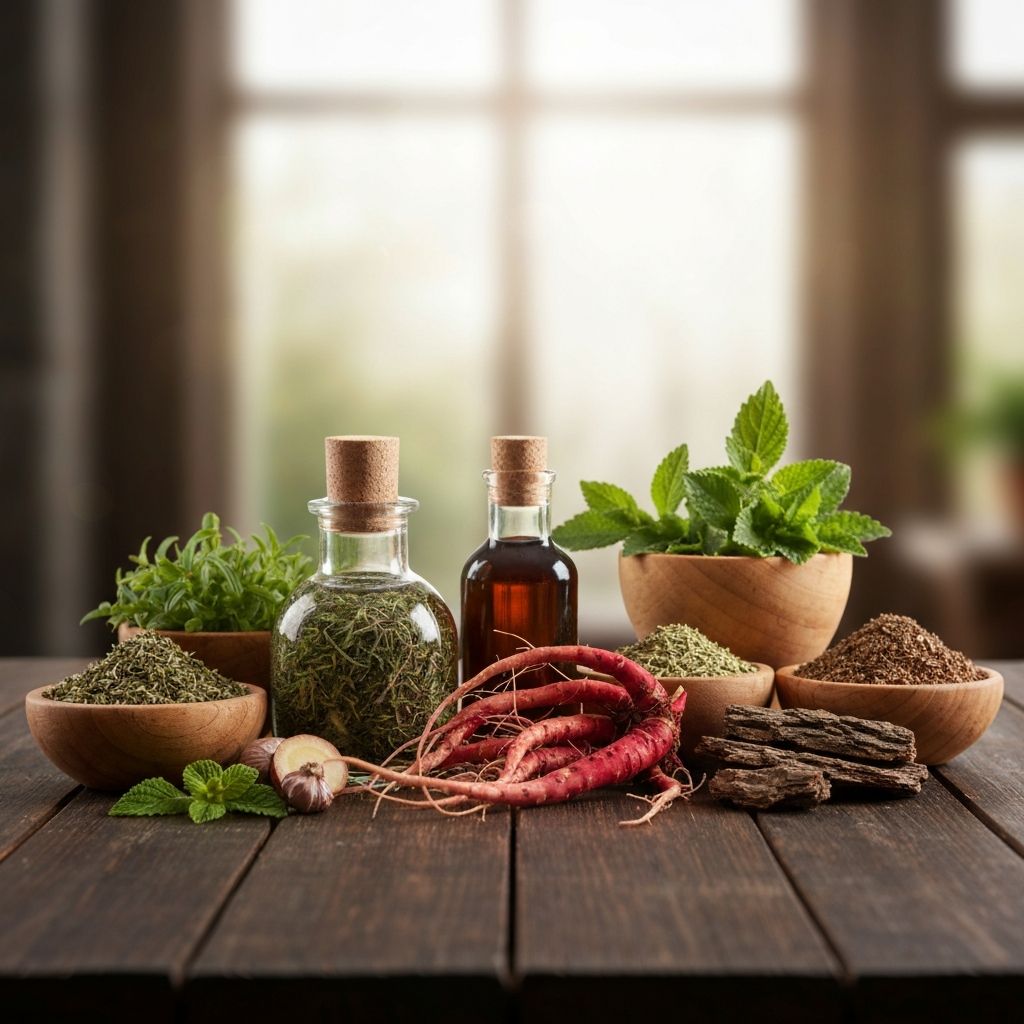
Plant-based compounds have been studied across cultures for centuries. From saw palmetto to ginseng, these botanicals contain diverse phytochemicals that have been subjects of ethnobotanical research worldwide.
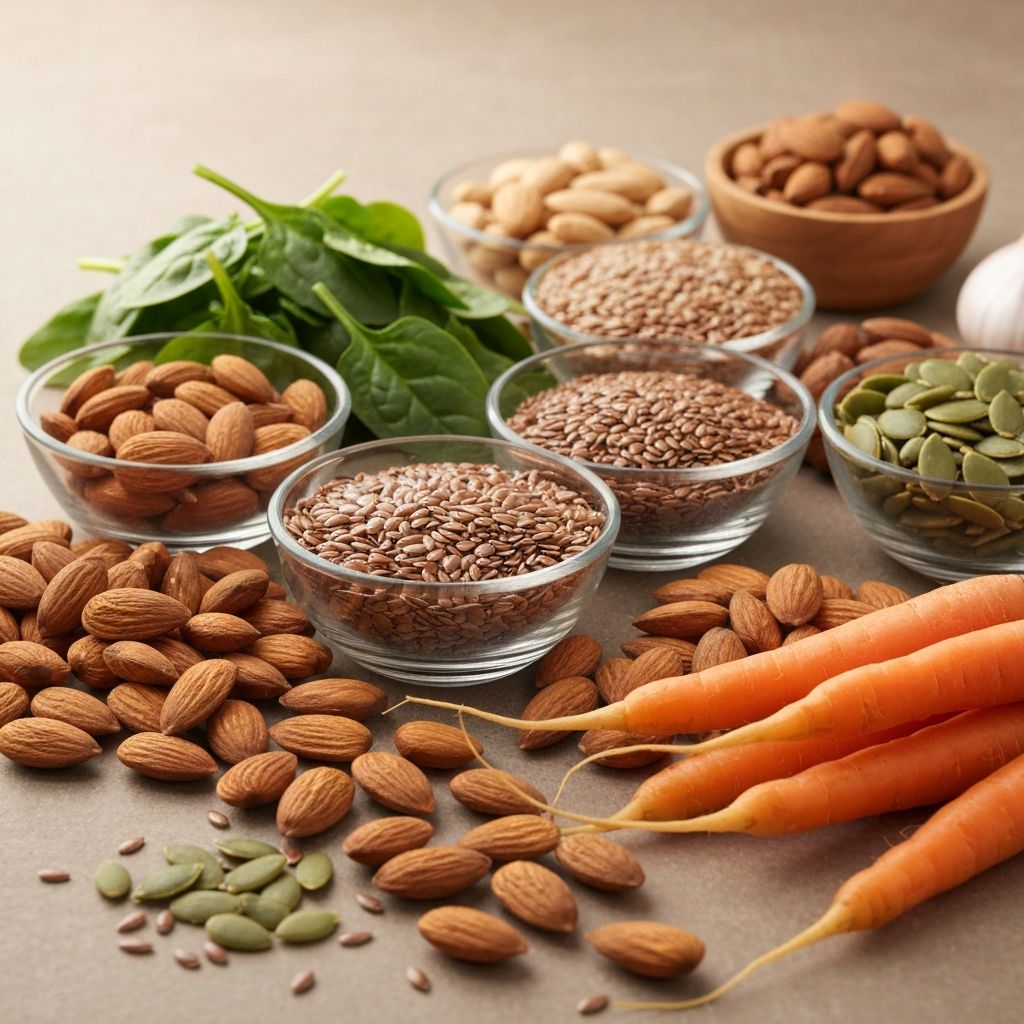
Trace elements like zinc and selenium participate in numerous biochemical pathways. Understanding their presence in everyday foods helps contextualize nutritional discussions around balanced intake and dietary variety.
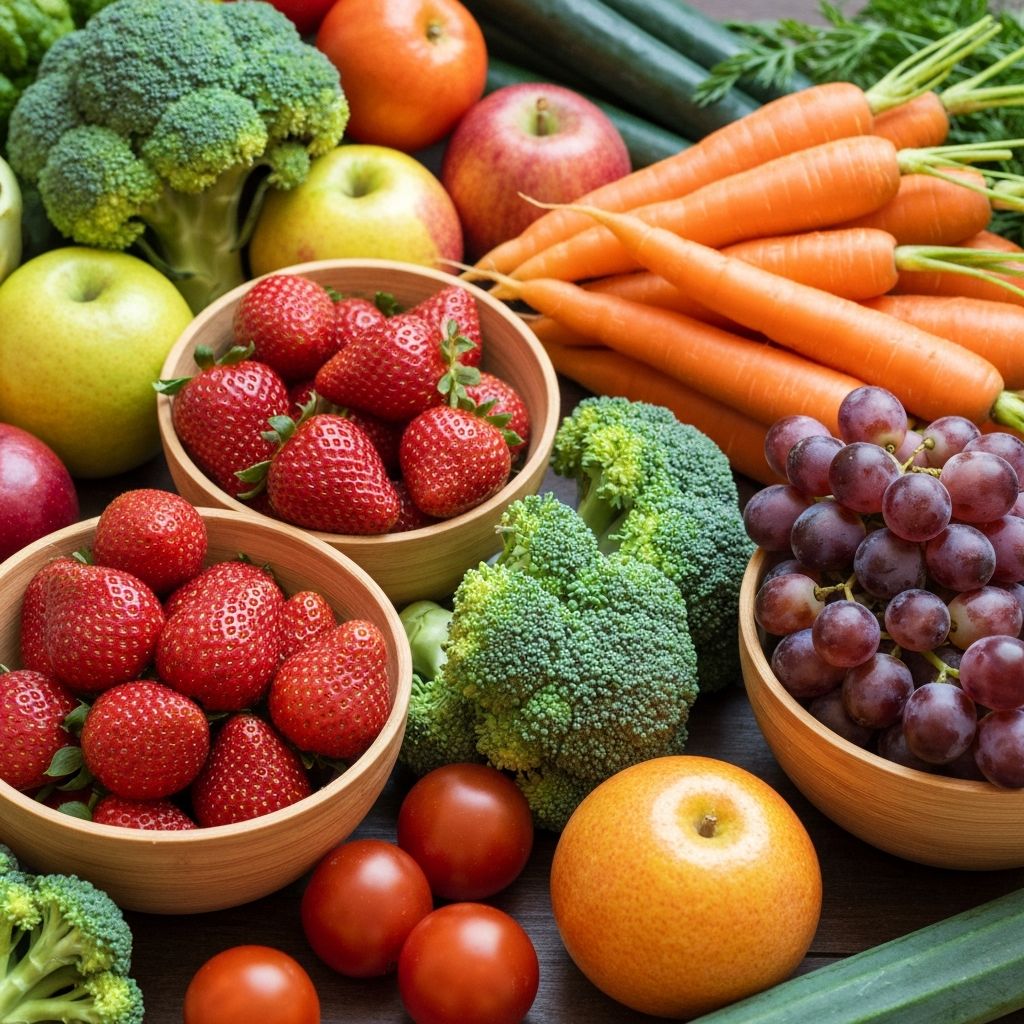
Fat-soluble and water-soluble nutrients play distinct roles in cellular function. Educational materials explore how these organic molecules participate in energy metabolism and structural maintenance.
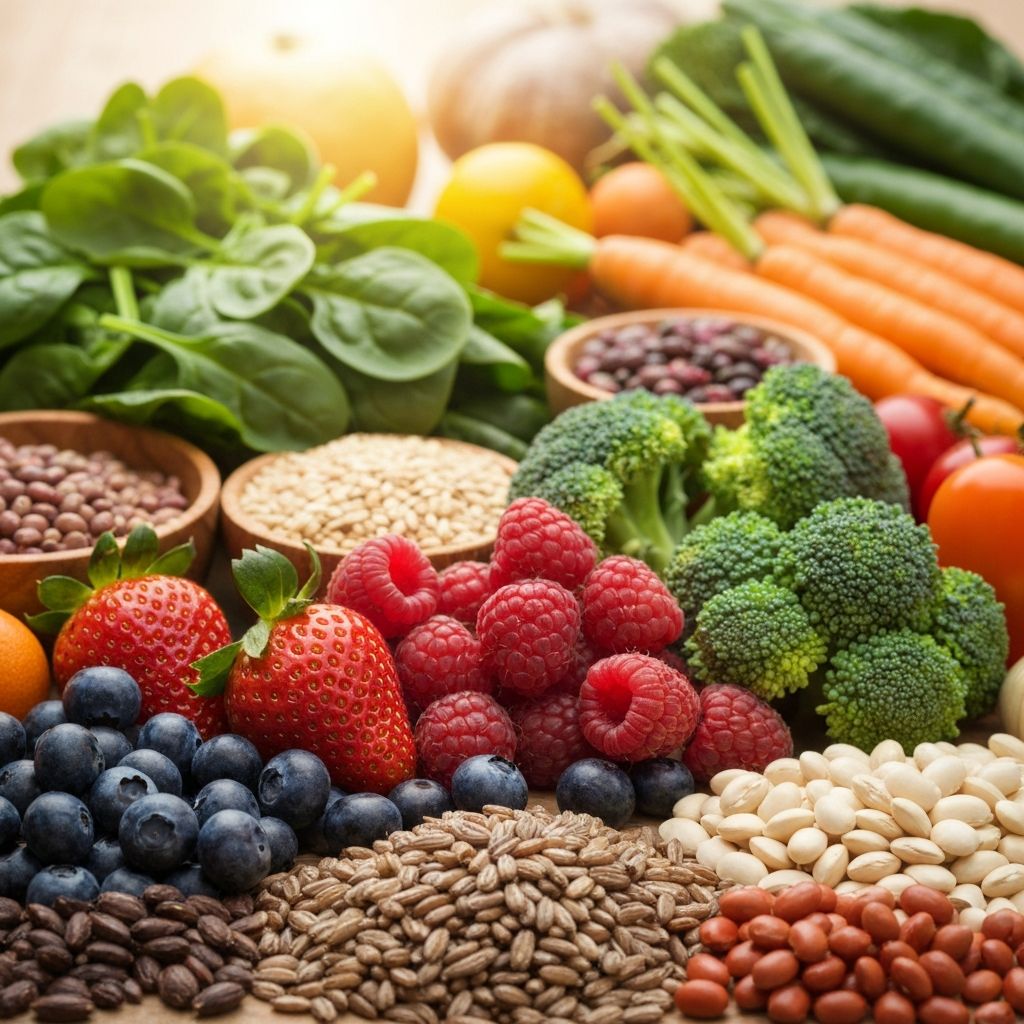
Micronutrients are substances required in small amounts for proper physiological function. Unlike macronutrients that provide energy, micronutrients enable biochemical reactions and structural processes throughout the body.
Zinc, for example, is involved in protein synthesis and immune function. Selenium acts as a cofactor for antioxidant enzymes. Magnesium participates in over three hundred enzymatic reactions. Understanding these roles helps frame conversations about balanced nutrition.
Daily intake patterns vary significantly across populations and individual dietary preferences. This diversity reflects the adaptability of human nutrition and the multiple pathways through which nutritional needs can be approached.

Traditional systems of botanical knowledge span millennia and cross cultural boundaries. From Traditional Chinese Medicine to Ayurveda to European folk herbalism, plants have been catalogued and studied in diverse contexts.
Ginseng root has been documented in Asian texts for over two thousand years. Saw palmetto berries were used by indigenous peoples of North America. Nettle root appears in medieval European herbals. These historical uses form the basis of modern ethnobotanical research.
Contemporary scientific inquiry seeks to understand the biochemical basis of traditional knowledge. This intersection of cultural history and molecular biology represents an ongoing area of academic study.
Bio-availability refers to the proportion of a substance that enters circulation and can participate in active processes. Multiple factors influence this parameter, including chemical form, digestive conditions, and individual physiology.
For instance, certain minerals are better absorbed when consumed alongside specific food components. Fat-soluble nutrients require dietary lipids for optimal uptake. Plant extracts may contain compounds that enhance or inhibit absorption of other constituents.
These interactions illustrate the complexity of nutrition science and underscore why educational resources emphasize varied, whole-food approaches rather than isolated interventions.

Contemporary life presents unique environmental contexts. Urban settings, work patterns, and technological integration shape daily routines in ways that differ from historical norms. Understanding these shifts provides context for wellness discussions.

Food availability and preparation methods have transformed dramatically. Processed foods, agricultural practices, and globalized supply chains influence nutrient density and dietary diversity in complex ways.

Sedentary occupations and transportation patterns have altered movement frequency for many populations. Physical activity remains a subject of ongoing research regarding its relationship to overall wellness across the lifespan.

Maintaining daily energy and resilience involves multiple interconnected factors. Sleep quality, nutritional variety, physical movement, and social engagement all contribute to the experience of vitality.
Regular physical activity supports cardiovascular function and musculoskeletal integrity. Adequate rest allows for cellular repair and cognitive processing. Diverse nutrient intake provides the raw materials for ongoing metabolic processes.
These strategies are not prescriptive recommendations but rather educational overviews of the factors that research has associated with sustained function across the lifespan. Individual approaches vary widely and appropriately so.

The environments we inhabit shape physiological responses. Air quality, light exposure, temperature regulation, and acoustic conditions all influence daily function in measurable ways.
Circadian rhythms respond to light patterns. Respiratory function relates to air composition. Thermal regulation affects metabolic rate. These environmental interactions demonstrate the organism-environment relationship that characterizes biological systems.
Understanding these factors provides context for why wellness approaches often emphasize environmental awareness alongside nutritional and movement considerations.
This resource has presented an overview of botanical constituents, micronutrients, and lifestyle factors as they relate to wellness in men over forty. The information is intended purely for educational purposes.
The complexity of human biology and the diversity of individual circumstances mean that general information cannot substitute for personalized approaches. What works for one individual may not apply to another due to genetic, environmental, and lifestyle differences.
Ongoing research continues to refine understanding of how natural compounds interact with human physiology. This field remains dynamic, with new findings regularly contributing to the knowledge base.
Informational Character: All materials on this site are educational in nature. They describe concepts, explain terminology, and provide historical and scientific context. They do not constitute personalized guidance.
No Individual Recommendations: The content presented here cannot account for individual health circumstances, personal history, or specific needs. Any decisions regarding wellness approaches should consider individual context.
Diversity of Approaches: Multiple valid perspectives exist regarding wellness, nutrition, and lifestyle choices. This resource presents one educational framework among many possible approaches.
Not a Substitute: This informational content does not replace consultation with qualified professionals when making decisions about personal wellness strategies.
Research Context: Scientific understanding evolves continuously. Information presented here reflects current educational materials but may be refined as research progresses.
Explore additional resources and context to deepen your understanding of natural wellness principles.
Learn About This Resource